
Why radiator fitting is about more than swapping units
Heat output considered early
Choosing the right size helps the room feel warm without wasted space.
Valves and pipework checked
Connections are planned to suit the room and the heating system layout.
After fitting checks matter
Bleeding, leak checks and circulation checks help finish the job properly.
Heating that suits the room and the wall space
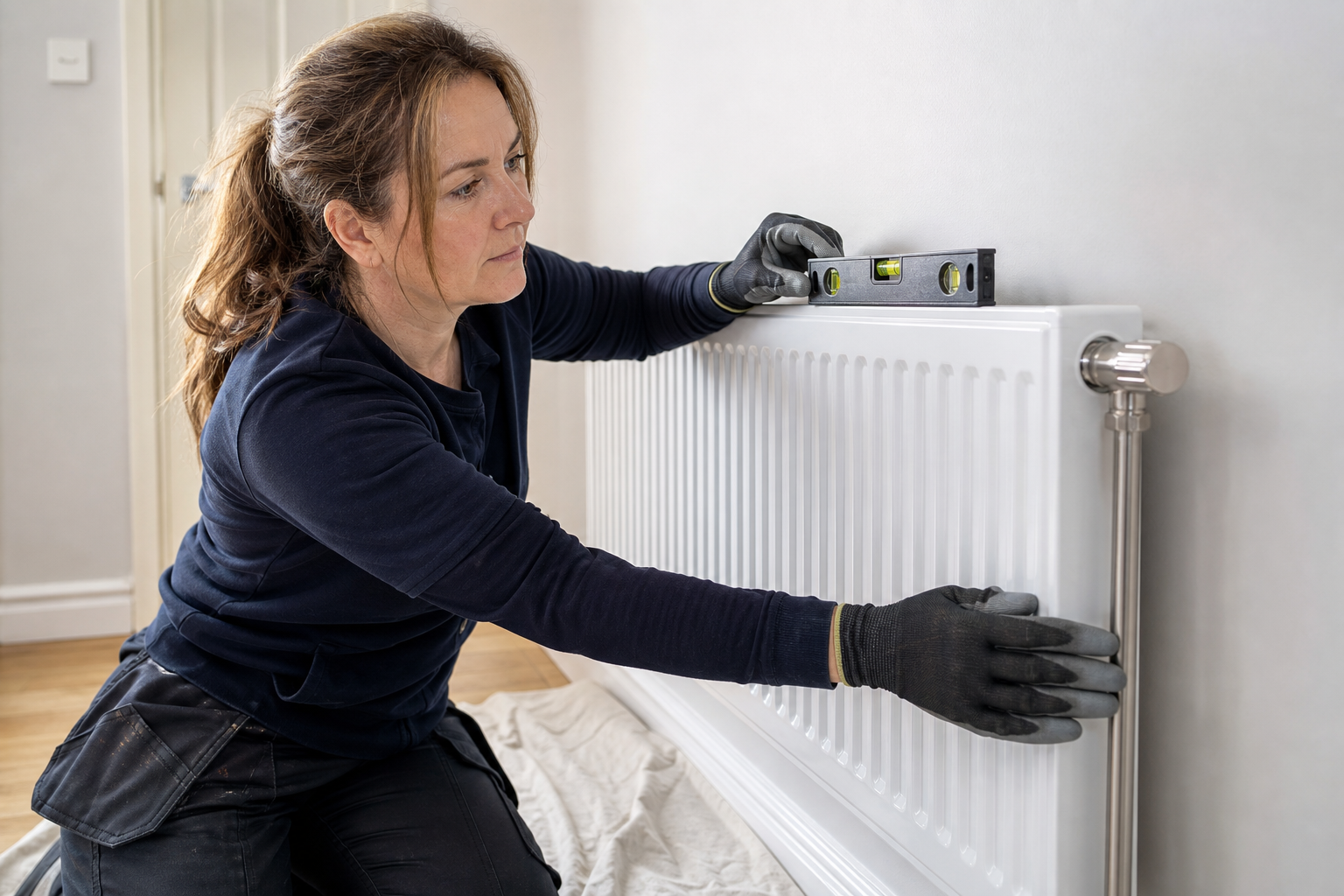
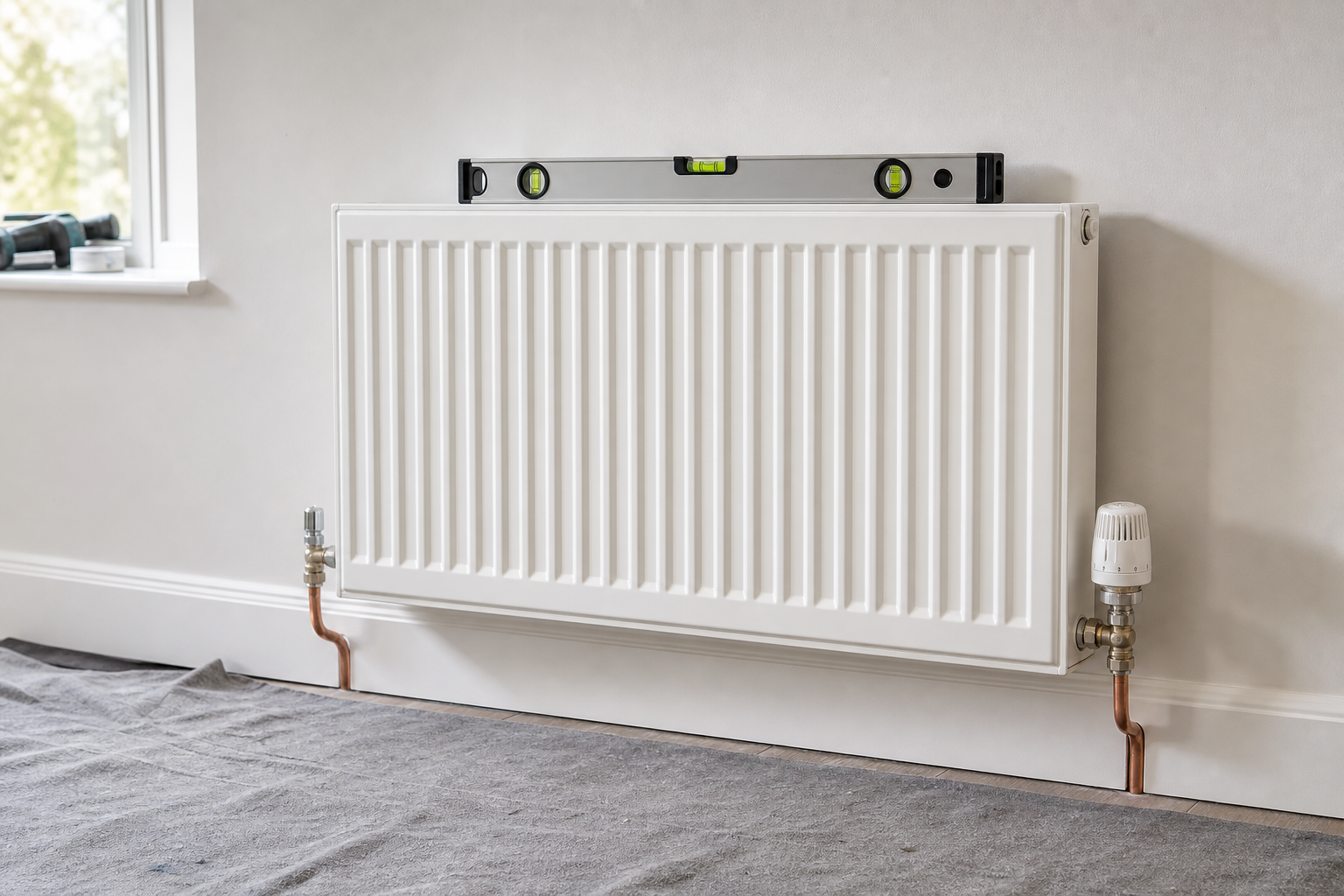
A radiator should do more than simply fit the gap on the wall. It needs to be sized and positioned to warm the room properly while still working with the pipework routes that are available. At G&B Plumbing & Heating Ltd, we carry out radiator installation in Bexley as part of our wider heating work, whether that means replacing an old unit or adding a new radiator into the system. We look at the room size, the available wall space and the valve setup before fitting, helping you avoid a result that looks right at first glance but struggles to heat the space effectively in daily use.
What happens during fitting and final checks
On the day, we isolate and drain the relevant part of the heating system, fit brackets and valves, connect the pipework, then refill, bleed and check the radiator as it warms through. With G&B Plumbing & Heating Ltd, we also look at balancing and circulation where needed, because post-fit checks matter just as much as the physical installation.
If the work sits alongside other heating improvements, such as a cylinder or pump change, we can coordinate that too. Any gas related element that needs sign-off is completed by a qualified gas engineer used by us.
Frequently asked questions
Can you replace an old radiator like for like?
Yes, in many cases we can replace a radiator on a similar basis if the size and system setup suit. We still check the valves, the wall position and the overall condition of the connections, because a simple swap should still be done properly.
How do you choose the right radiator size?
The room dimensions, heat demand and the amount of usable wall space all matter. A radiator that is too small may struggle in colder weather, while one that is oversized for the position can be harder to place neatly and comfortably.
What checks happen after the radiator is fitted?
We refill and bleed the system, check for leaks and confirm the radiator heats through as it should. If there are signs of poor circulation, trapped air or balancing issues elsewhere, we can explain that and talk through the sensible next step.